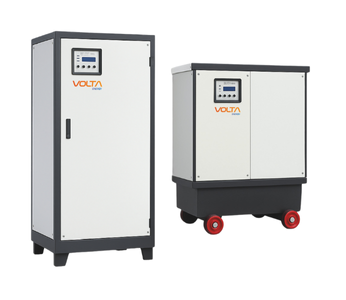
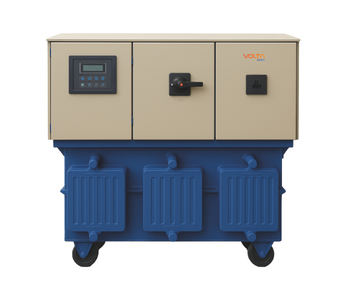
On-Grid Solar Inverters for Businesses in Kanpur
Kanpur is one of Uttar Pradesh’s important industrial and commercial centres, with businesses operating across textile manufacturing, leather processing, engineering, plastics, food processing, warehouses, hospitals, and commercial buildings. As electricity expenses continue to affect operating costs, many business owners are looking for practical ways to reduce their monthly power bills without compromising productivity.
One solution worth considering is a commercial on-grid solar power system. By converting sunlight into usable electricity and supplying it directly to business premises, an on-grid solar system can help companies reduce their dependence on grid electricity during daylight hours.
At the heart of this system is the on-grid solar inverter. Choosing the right inverter is important because it affects how efficiently a solar installation operates and how reliably it supports everyday business activities.
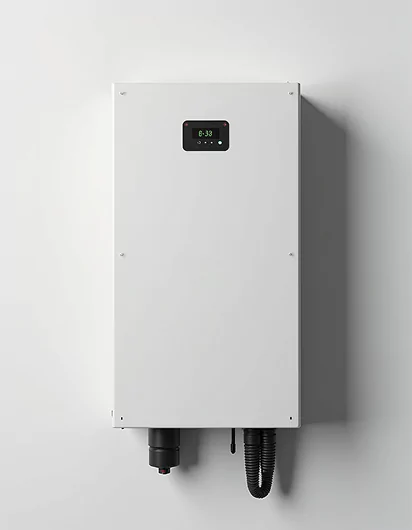
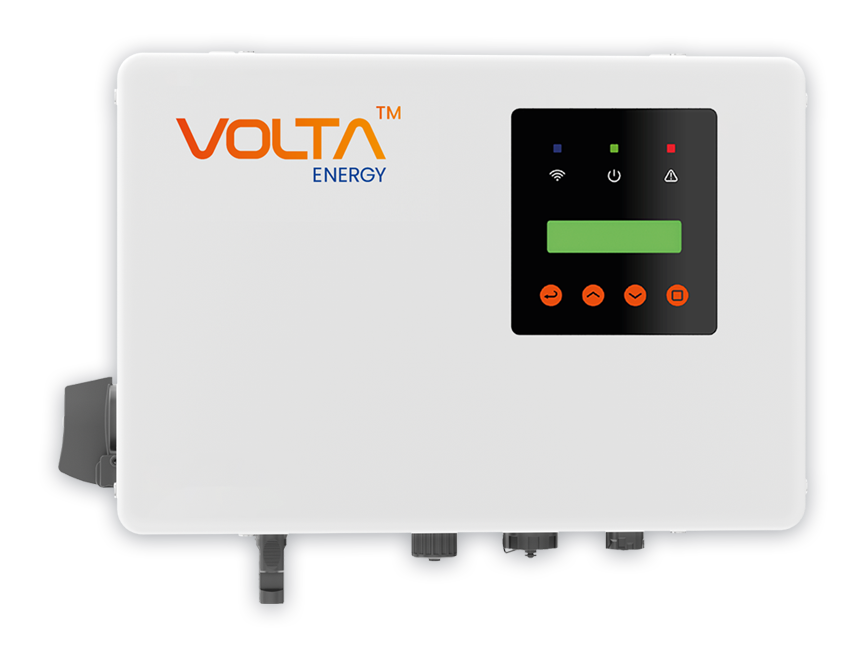
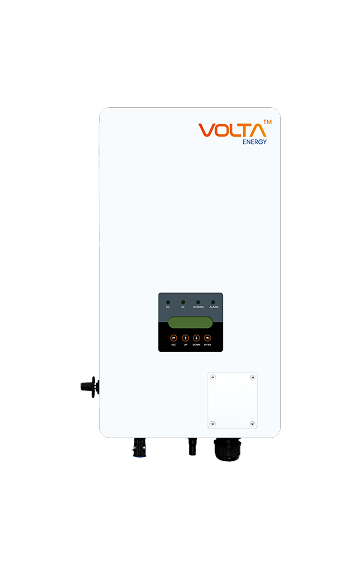
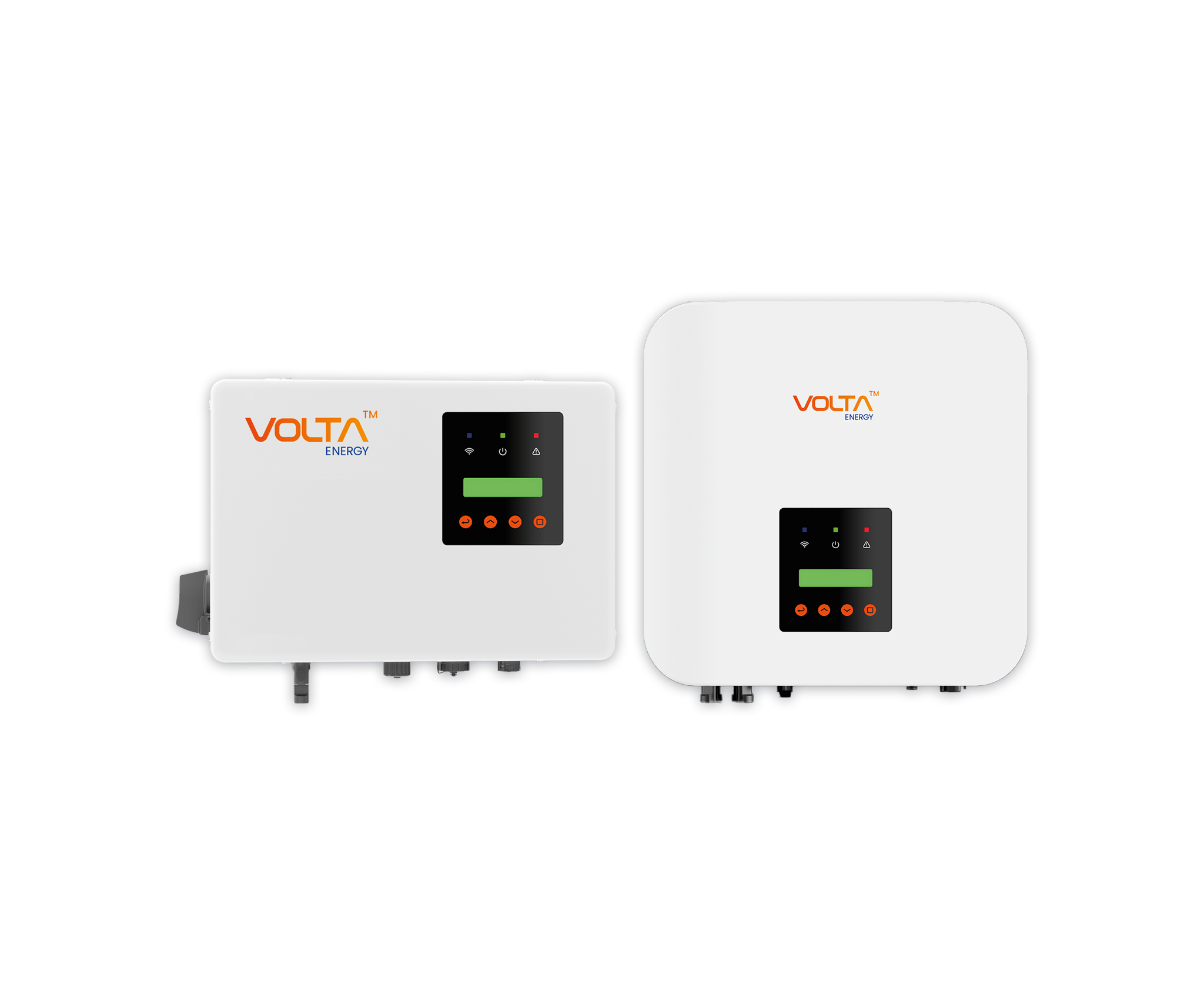
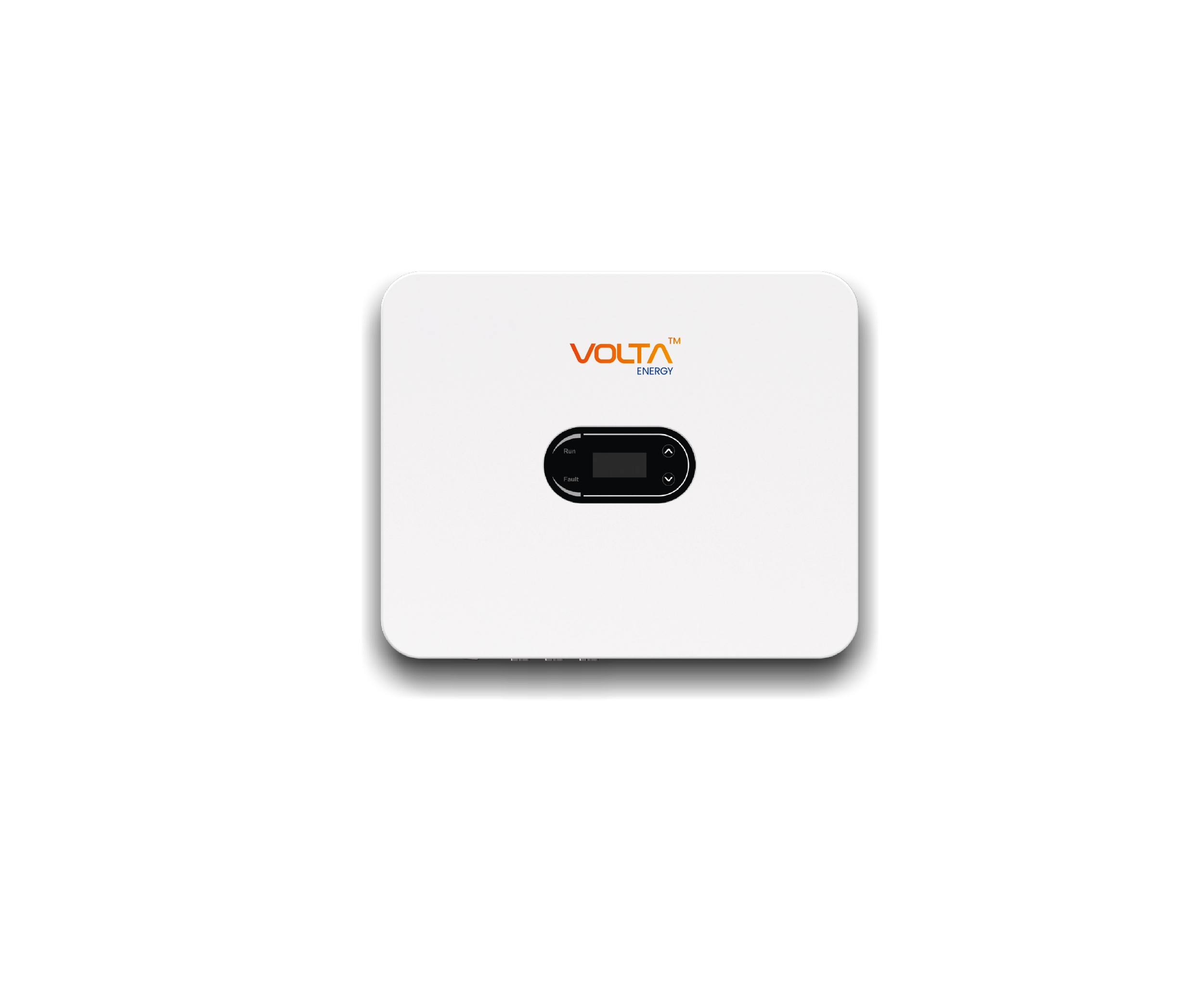
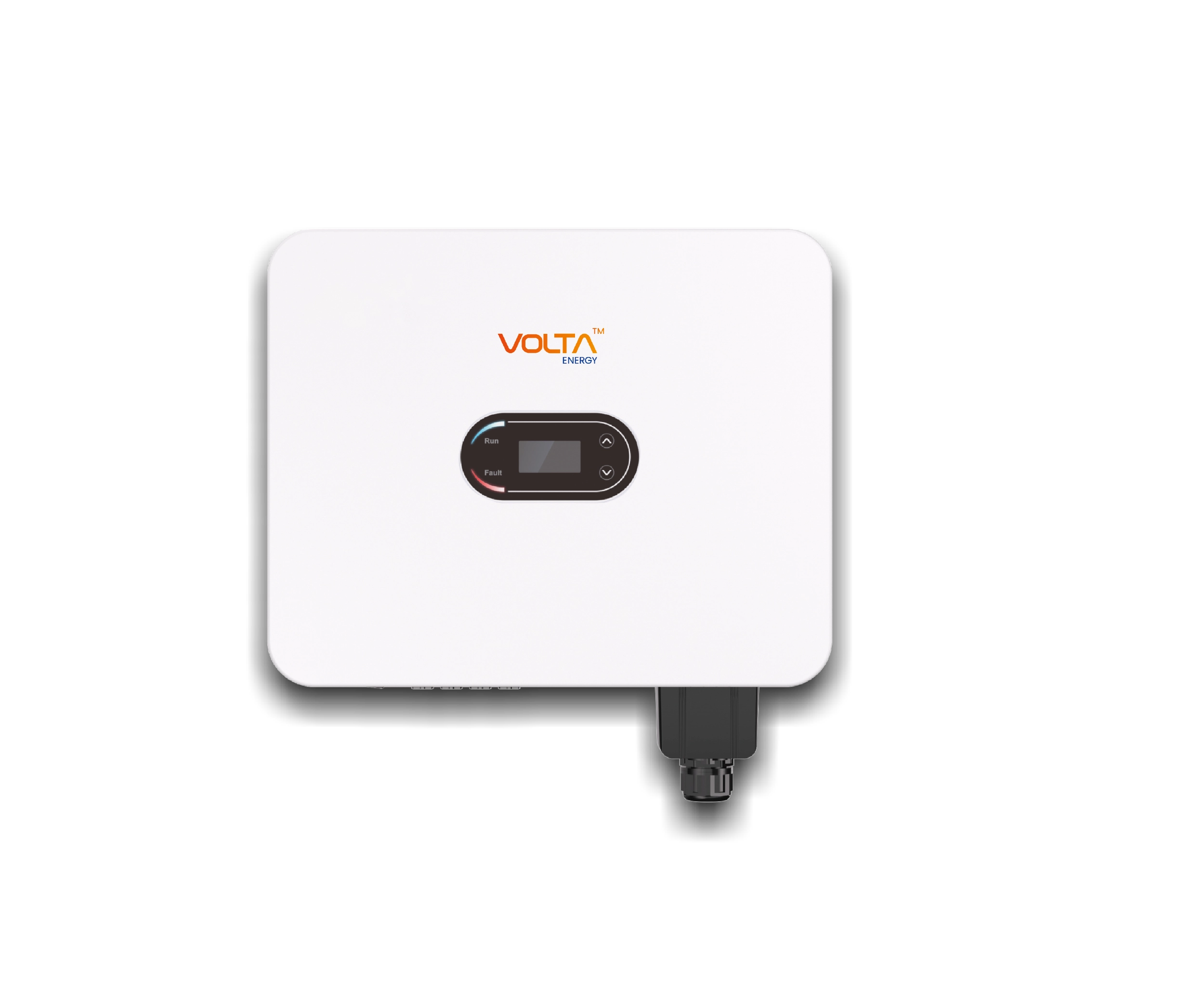
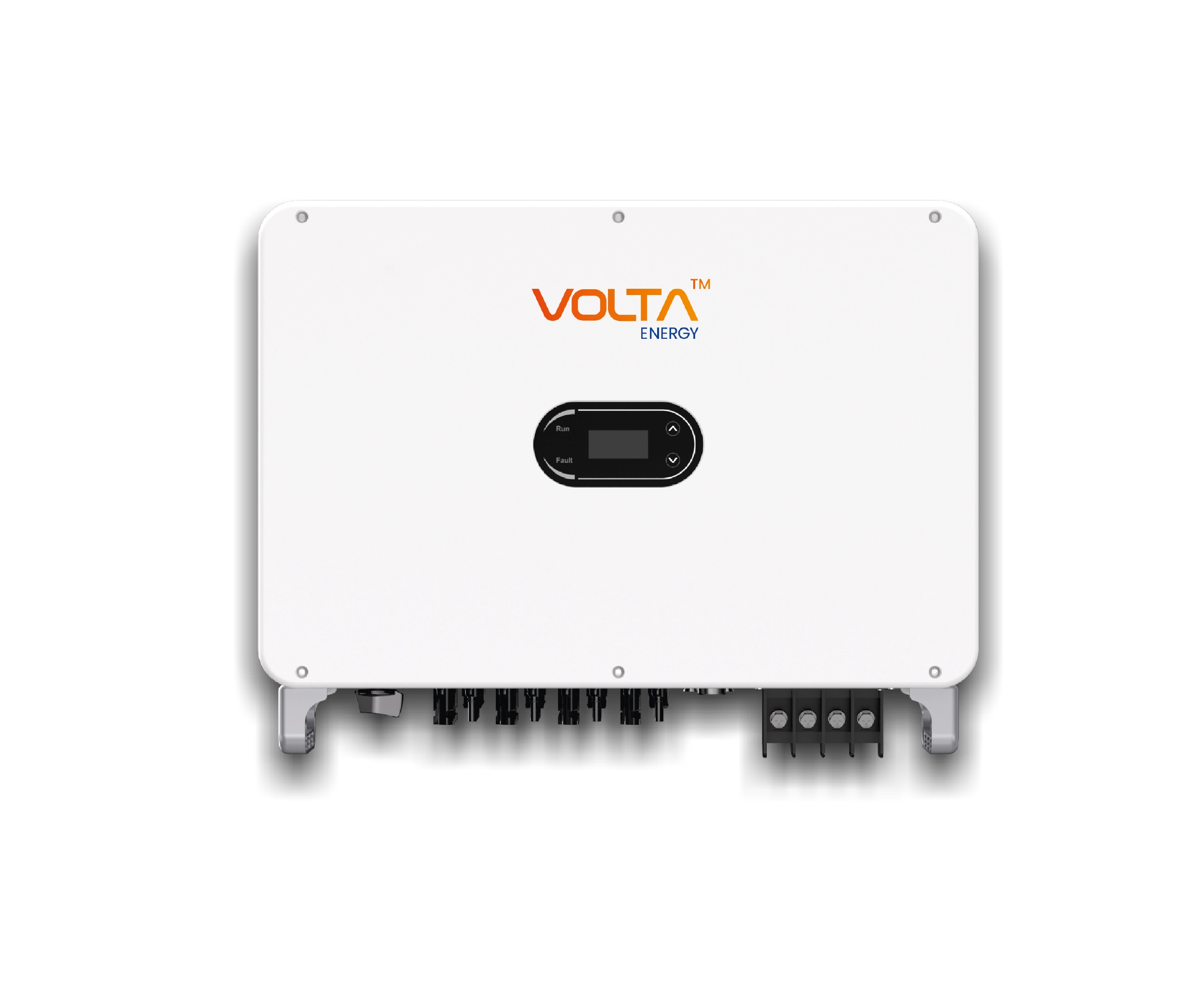
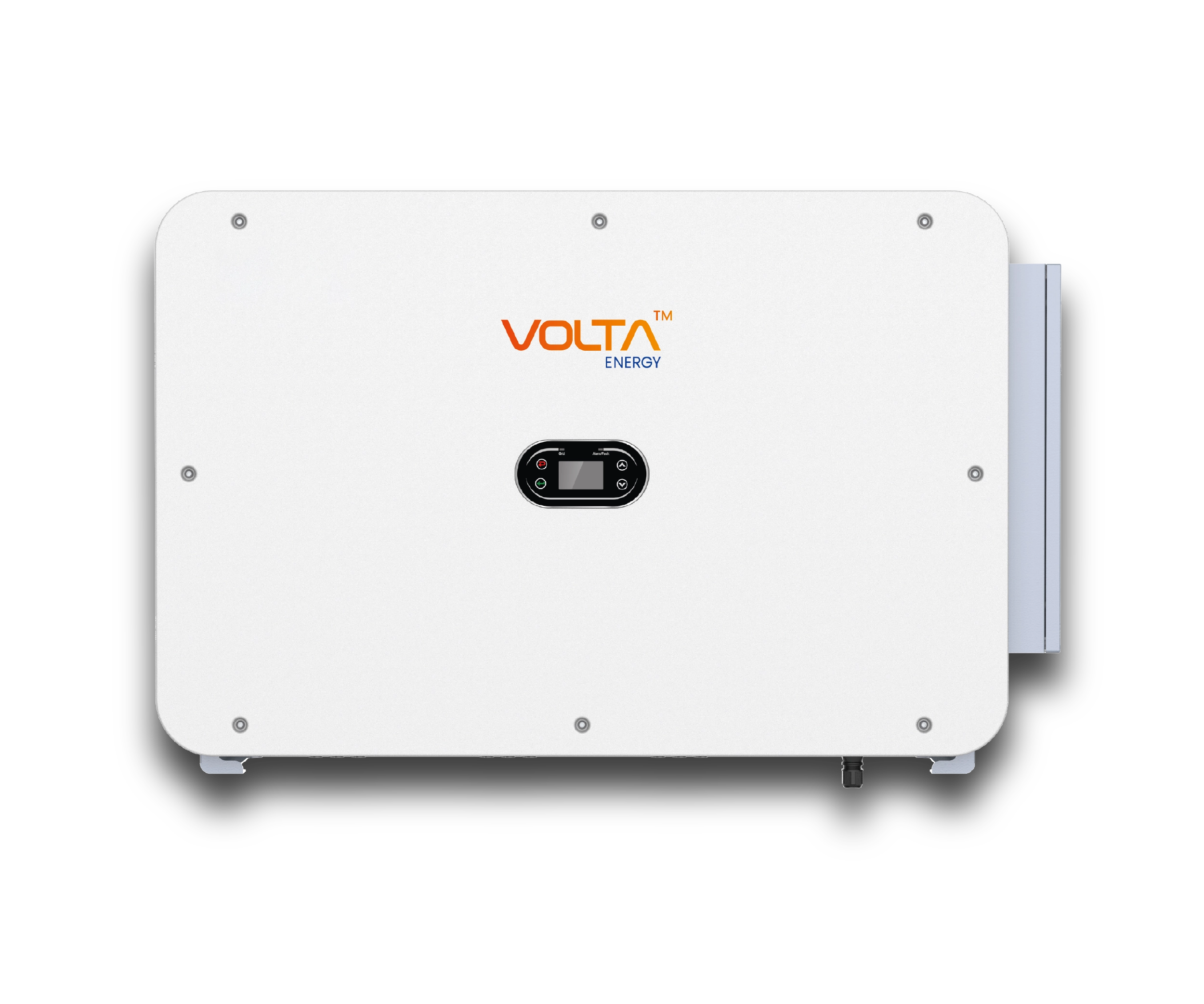
For businesses in Kanpur, Volta Green Energy Pvt. Ltd. offers on-grid solar inverters designed for commercial and industrial applications, with a product range from 2 kW to 150 kW. In this guide, we will explore how on-grid solar inverters work, their benefits for Kanpur businesses, important selection factors, and how companies can make a more informed investment in solar energy.
What Is an On-Grid Solar Inverter?
An on-grid solar inverter is a device that converts the direct current (DC) electricity produced by solar panels into alternating current (AC) electricity that can be used by commercial and industrial equipment. In a typical solar installation, solar panels generate electricity during the day. The inverter converts this electricity into a form compatible with the electrical system of the building. The generated power can then supply equipment such as motors, computers, lighting, air conditioners, pumps, and production machinery.
When solar generation is insufficient, the business can draw additional electricity from the utility grid. If the solar system generates more electricity than the premises consume, the surplus may be exported to the grid, subject to the applicable connection agreement, metering arrangement, and DISCOM regulations.
Unlike a battery-based system, a standard on-grid solar inverter generally does not provide backup power during a grid outage. It normally shuts down when the grid fails to comply with safety requirements, unless the installation includes a separately designed backup solution. For businesses in Kanpur, this technology can be particularly useful where daytime electricity consumption is high and a suitable rooftop or other solar installation area is available.
How Does an On-Grid Solar Inverter Work?
The process is relatively straightforward, even though the inverter continuously monitors and controls several electrical parameters.
Solar panels capture sunlight: The panels generate DC electricity throughout the day, depending on sunlight, temperature, shading, and system conditions.
The inverter converts the power: The on-grid inverter converts DC electricity into AC electricity suitable for the building’s electrical system.
The business uses solar power: The generated electricity supplies connected loads, helping reduce the amount of electricity required from the grid.
The grid supports additional demand: When business consumption exceeds solar generation, the required balance is drawn from the utility grid.
Surplus power may be exported: Where permitted, excess generation can be exported through an approved metering arrangement.
For example, a factory in Kanpur operating machinery, lighting, and ventilation systems during the day may use solar electricity directly to support its operations. The actual savings will depend on the system size, solar generation, electricity tariff, operating hours, and applicable billing rules.
Why Should Kanpur Businesses Consider On-Grid Solar Inverters?
The main attraction of commercial solar is not simply generating clean electricity. It is finding a practical way to manage operating expenses over the long term.
1. Reduce Daytime Electricity Expenses
Electricity can represent a significant recurring cost for factories, workshops, warehouses, and commercial establishments. A properly sized solar installation can reduce the amount of grid electricity purchased during periods of solar generation.
Consider a business that consumes a substantial amount of electricity between 9 AM and 5 PM. If its solar system produces power during those hours, part of its regular demand can be met directly by solar energy. The savings depend on actual generation and how much of that electricity the business uses on-site. A solar assessment should therefore consider the business’s consumption pattern rather than relying only on the available roof area.
2. Make Better Use of Factory and Warehouse Rooftops
Kanpur has industrial and commercial areas where buildings may have substantial rooftop space. Suitable rooftops can provide an opportunity to install solar panels without requiring additional land. Businesses may explore installations at locations such as:
Panki Industrial Area
Dada Nagar Industrial Area
Fazalganj Industrial Area
Rooma Industrial Area
Jajmau industrial and manufacturing areas
Other suitable industrial estates, warehouses, and commercial properties across Kanpur
The suitability of each site depends on structural strength, roof condition, shading, available space, electrical infrastructure, and local approvals.
3. Improve Long-Term Cost Planning
Grid electricity tariffs and business energy requirements can change over time. Generating a portion of electricity on-site may help businesses manage some of their exposure to future electricity price increases. Although a solar installation requires an initial investment, the equipment can continue generating electricity for many years when properly selected and maintained.
For a business owner, this means evaluating solar as a long-term operating-cost decision rather than looking only at the upfront purchase price.
4. Support More Sustainable Business Operations
Many companies are increasingly expected by customers, supply-chain partners, and stakeholders to pay attention to energy use and environmental performance. Solar power can help reduce dependence on conventional grid electricity and may reduce associated emissions. The actual environmental benefit depends on the electricity displaced and the relevant grid emissions factor. For export-oriented manufacturers, suppliers, and companies working with larger corporate customers, adopting renewable energy can also support broader sustainability objectives.
5. Suitable for Different Business Sizes
Not every business needs a large solar installation. A small commercial office may require a relatively modest system, while a manufacturing unit may need a much larger capacity. The important point is to select an inverter and solar system that match the site’s electrical load, sanctioned or contracted capacity, available installation area, and future requirements.
Volta Green Energy‘s on-grid inverter range of 2 kW to 150 kW provides options for a variety of commercial and industrial applications. Larger projects may require multiple inverters or a project-specific system design.
Key Features to Look for in a Commercial On-Grid Solar Inverter
When comparing inverters for a business in Kanpur, avoid making the decision based on price alone. The specifications, installation conditions, warranty, and after-sales support also matter.
High Conversion Efficiency
An inverter converts DC electricity from solar panels into usable AC power. A higher conversion efficiency can help reduce energy losses within the inverter. For example, if an inverter receives 100 kW of DC power at a particular operating point and converts it at 98% efficiency, its AC output would be approximately 98 kW before accounting for other system losses.
However, the efficiency figure should be checked against the manufacturer’s datasheet. Actual system performance also depends on temperature, panel conditions, cable losses, shading, and inverter loading.
MPPT Technology
Maximum Power Point Tracking (MPPT) helps the inverter adjust its operating point to extract available power from the solar array. This is useful because solar panel output changes with sunlight intensity and temperature throughout the day. Inverters with appropriately configured MPPT inputs can help the system operate more effectively under changing conditions.
When selecting an inverter, check the MPPT voltage range, startup voltage, maximum DC voltage, input current, and number of MPPTs against the proposed solar panel configuration.
Three-Phase Compatibility
Many industrial and commercial premises use three-phase electrical systems, particularly where motors, pumps, compressors, and production machinery are installed. A three-phase on-grid inverter may be appropriate for such applications, provided its electrical specifications match the site’s supply and distribution arrangement. The final selection should be made by a qualified solar system designer or electrical professional.
Protection and Grid Safety
Commercial installations should use inverters with suitable electrical protection and grid-safety functions. Depending on the model and configuration, important features may include:
Anti-islanding protection
Overvoltage and undervoltage protection
Overcurrent protection
DC and AC fault monitoring
Overtemperature protection
Appropriate ingress protection for the installation environment
The selected model must also meet the applicable standards, certification requirements, and DISCOM interconnection conditions.
Monitoring and Performance Tracking
Monitoring tools can help business owners and maintenance teams review solar generation, identify abnormal performance, and track the system’s operation. Depending on the inverter model, monitoring may be available through a display, communication interface, data logger, or online platform. For a factory or warehouse, monitoring is especially helpful when the solar system is expected to operate as part of regular energy-cost management.
Applications of On-Grid Solar Inverters in Kanpur
Kanpur’s varied industrial and commercial activity creates opportunities for solar installations across several types of businesses.
| Business type | How solar can help |
|---|
| Textile and garment units | Support daytime machinery, lighting, and ventilation loads |
| Leather and footwear businesses | Reduce grid electricity consumption where operating hours align with solar generation |
| Engineering and manufacturing units | Supply a portion of daytime electrical demand |
| Plastic processing units | Offset part of the electricity used by production equipment |
| Warehouses and logistics facilities | Support lighting, offices, and other daytime loads |
| Hospitals and healthcare facilities | Supply part of the daytime electrical demand, subject to system design and backup requirements |
| Hotels and commercial buildings | Support common-area lighting, air conditioning, and other compatible loads |
| Educational institutions | Help reduce daytime electricity consumption in classrooms and administrative areas |
| Shopping complexes and offices | Supply a portion of lighting, cooling, and equipment loads |
Solar should be integrated carefully where machinery has high starting currents, variable loads, or sensitive power requirements. An on-grid inverter is not, by itself, a replacement for a properly designed power-backup or power-quality system.
Why Choose Volta Green Energy for Commercial Solar Inverters?
Choosing a solar inverter supplier involves more than comparing specifications on paper. Businesses also need clear product information, suitable capacity options, warranty terms, and dependable communication throughout the purchasing process.
Volta Green Energy Pvt. Ltd. supplies solar on-grid inverter solutions for commercial and industrial applications, with a product range from 2 kW to 150 kW. Businesses evaluating Volta inverters can consider the following points:
Multiple capacity options: The product range supports assessment of different commercial and industrial requirements.
Efficiency-focused design: Review the rated efficiency and performance specifications of the proposed model before final selection.
MPPT-based solar operation: Model-specific MPPT specifications help system designers configure the solar array appropriately.
Protection features: Verify the available protection functions and applicable certifications for the selected model.
Application-based selection: The inverter should be chosen according to the building’s electrical system, solar capacity, operating conditions, and intended use.
For Kanpur businesses, it is advisable to confirm product availability, model-specific specifications, warranty coverage, applicable approvals, and service arrangements before placing an order.
Example: A 100 kW Commercial Solar Installation in Kanpur
Let’s consider a manufacturing unit in Kanpur that is exploring a 100 kW rooftop solar system to reduce its daytime grid electricity consumption. The following example is illustrative. It is not a guaranteed generation estimate or a commercial quotation.
| Parameter | Illustrative assumption |
|---|
| Solar system capacity | 100 kWp |
| Average equivalent full-sun hours | 4.5 hours per day |
| Assumed overall performance ratio | 80% |
| Estimated daily generation | 360 kWh |
| Estimated generation over 30 days | 10,800 kWh |
| Assumed electricity tariff | ₹8 per kWh |
| Potential value of electricity used on-site | ₹86,400 per 30-day month |
How is the estimate calculated?
Estimated daily generation:
100 kWp × 4.5 hours × 80% = 360 kWh per day.
Estimated monthly generation:
360 kWh × 30 days = 10,800 kWh.
At an assumed tariff of ₹8 per kWh, 10,800 kWh represents ₹86,400 of electricity value if all the generated energy offsets purchases at that rate.
Actual bill savings may be lower or higher depending on seasonal generation, daytime self-consumption, the tariff structure, fixed and demand charges, export compensation, system downtime, and applicable metering rules.
Before investing, the business should review at least 12 months of electricity bills and compare the expected solar generation profile with its actual consumption.
How to Choose the Right On-Grid Solar Inverter for Your Business
The right inverter depends on the size and electrical characteristics of the proposed solar system, not simply the business’s monthly electricity bill.
Step 1: Review Your Electricity Consumption
Collect recent electricity bills and identify the monthly consumption, sanctioned load or contract demand, applicable tariff, and daytime usage pattern. A factory that consumes most of its electricity during working hours may be able to use a greater share of its solar generation directly.
Step 2: Assess the Available Installation Area
A technical site survey should evaluate rooftop dimensions, structural capacity, shading, orientation, roof condition, and safe access for installation and maintenance. The available area should be considered alongside the site’s expected electricity consumption.
Step 3: Confirm Inverter and Panel Compatibility
Check the solar panel configuration against the inverter’s maximum DC voltage, MPPT operating range, input current limits, and permitted DC-to-AC sizing. An appropriately designed system helps prevent electrical incompatibility and supports reliable operation.
Step 4: Check Grid Connection Requirements
Confirm the applicable Uttar Pradesh DISCOM requirements, permitted system capacity, metering arrangement, protection requirements, and approval process. Requirements may differ according to consumer category, system size, connection type, and the regulations in force when the project is submitted.
Step 5: Compare Total Project Value
Compare the full installed project cost, expected generation, warranty conditions, service arrangements, and estimated payback period. The lowest-priced inverter is not necessarily the most economical option over the system’s operating life.
On-Grid Solar Installation Considerations for Kanpur’s Climate
Kanpur experiences hot summers, cooler winters, and seasonal monsoon conditions. These factors should be considered when planning a commercial solar installation.
Summer heat: Solar panels and electronic equipment can operate at elevated temperatures. Review the inverter’s permitted ambient temperature, derating characteristics, and installation clearances.
Dust and pollution: Dust accumulation on solar panels can reduce energy generation. A suitable cleaning and inspection schedule helps maintain performance.
Monsoon conditions: Equipment should be selected and installed with appropriate weather protection, earthing, surge protection, and cable management.
Winter performance: Shorter days, fog, and reduced sunlight can affect generation. Annual estimates should account for seasonal variation rather than assuming the same daily output throughout the year.
A site-specific design and realistic generation estimate are essential for setting reliable savings expectations.
Common Mistakes to Avoid When Buying a Commercial Solar Inverter
Businesses can make better purchasing decisions by avoiding a few common mistakes.
Choosing only by purchase price: Compare specifications, warranty terms, service support, and total project cost.
Ignoring actual consumption patterns: A system that generates more electricity than the business can use may not deliver the expected financial benefit if export compensation is limited.
Overlooking electrical compatibility: Verify the inverter’s DC and AC ratings against the complete system design.
Assuming solar provides backup during outages: A standard grid-following inverter normally shuts down during a grid outage. Backup requires a suitably designed solution.
Ignoring installation conditions: Heat, dust, ventilation, moisture, and electrical protection can affect performance and reliability.
Skipping approval requirements: Confirm the applicable DISCOM procedures and technical requirements before installation.
Relying on guaranteed savings claims: Generation and savings estimates should be based on site conditions, tariff details, and realistic assumptions.
Frequently Asked Questions
1. Are on-grid solar inverters suitable for factories in Kanpur?
Yes. They can be suitable for factories with substantial daytime electricity consumption, provided the solar installation, inverter ratings, electrical connection, and approvals are appropriate for the site.
2. Can an on-grid solar inverter reduce electricity bills?
It can reduce the amount of grid electricity purchased by supplying part of the business’s demand from solar generation. Actual savings depend on system performance, self-consumption, electricity tariffs, and applicable billing arrangements.
3. Does an on-grid solar inverter work during a power cut?
A standard on-grid inverter generally shuts down during a grid outage for safety reasons. Businesses requiring power during outages should evaluate an appropriately designed hybrid, battery-based, or other backup solution.
4. What size of solar inverter does a commercial business need?
The required capacity depends on electricity consumption, daytime load, available installation space, sanctioned load or contract demand, and the proposed solar array. A professional site assessment is recommended before choosing a model.
5. Can warehouses and industrial sheds in Kanpur install rooftop solar?
Potentially, yes. The roof must be structurally suitable and provide adequate space with acceptable shading and safe access. A structural and electrical assessment should be completed before installation.
6. What is the expected life of an on-grid solar inverter?
The operating life depends on the model, component quality, installation environment, maintenance, and operating conditions. Businesses should review the manufacturer’s stated design life, warranty period, and available service support rather than assume that every inverter has the same lifespan.
7. Does Volta Green Energy offer commercial on-grid solar inverters?
Volta Green Energy Pvt. Ltd. offers an on-grid solar inverter product range from 2 kW to 150 kW. Businesses should contact the company to confirm the appropriate model, current specifications, availability, warranty terms, and applicable compliance documentation.
Conclusion
For businesses in Kanpur, on-grid solar inverters can be a practical part of a long-term strategy to manage electricity expenses and increase the use of renewable energy. Factories, warehouses, offices, and other commercial premises with suitable rooftops and daytime consumption may be particularly well placed to benefit.
The best results come from selecting the right system capacity, matching the inverter to the solar panels and electrical installation, following applicable grid-connection requirements, and using realistic generation and savings estimates.
Volta Green Energy Pvt. Ltd. provides solar on-grid inverter solutions for commercial and industrial applications, with capacity options ranging from 2 kW to 150 kW. If your business is planning a solar installation in Kanpur, contact Volta Green Energy to discuss your requirements and identify a suitable inverter solution.
Contact Volta Green Energy Pvt. Ltd.