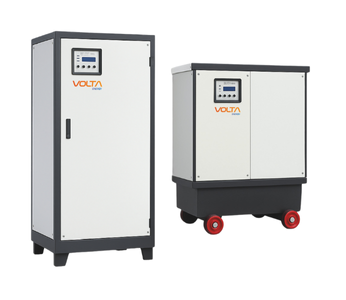
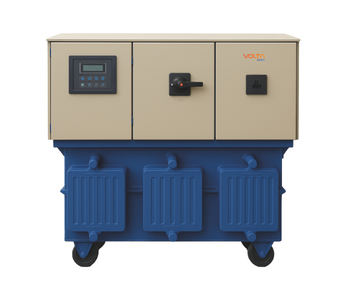
On-Grid Solar Inverters for Businesses in Agra
Helping Agra’s Industries and Commercial Businesses Make the Most of Solar Energy
Running a business in Agra comes with many expenses, and electricity is one that can make a noticeable difference to monthly operating costs. Whether you manage a footwear manufacturing unit, a leather-processing facility, a hotel, a warehouse, a hospital, or a commercial building, finding ways to control electricity expenses without affecting daily operations is always worthwhile.
As businesses look for more cost-effective and sustainable energy options, rooftop solar is becoming an important consideration. Agra’s industrial units, workshops, hotels, and commercial properties can explore solar power to meet part of their daytime electricity demand and reduce their dependence on grid electricity.
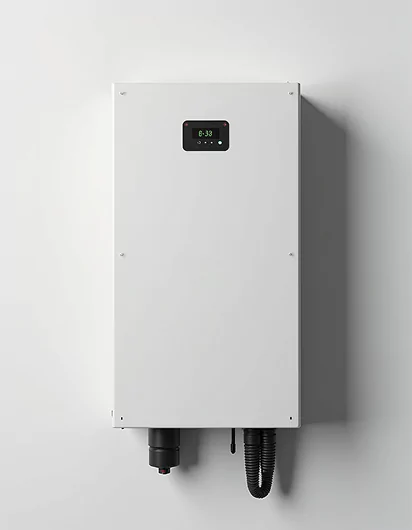
An important component of any grid-connected solar installation is the on-grid solar inverter. It converts the electricity generated by solar panels into usable power for business operations, helping companies make better use of the energy produced on their rooftops.
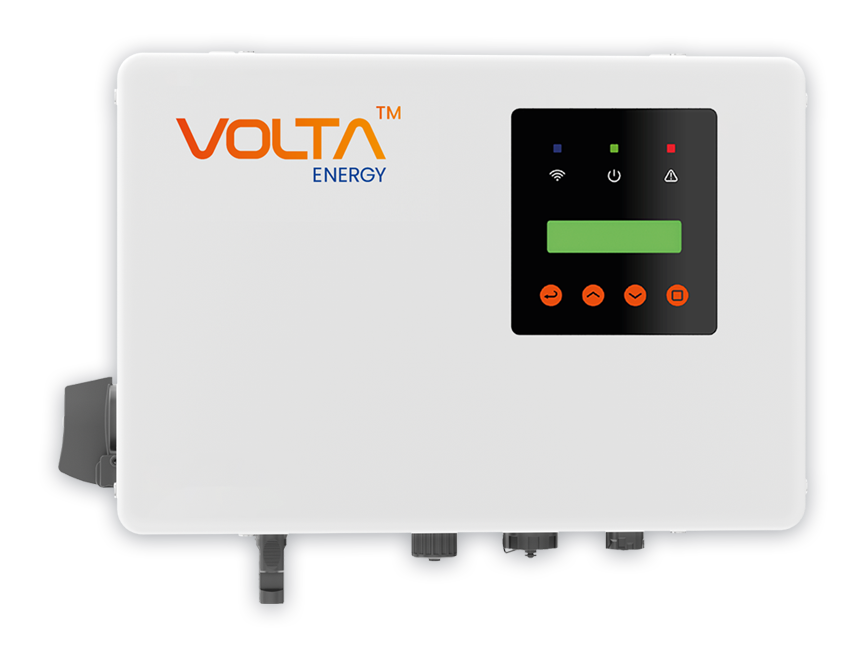
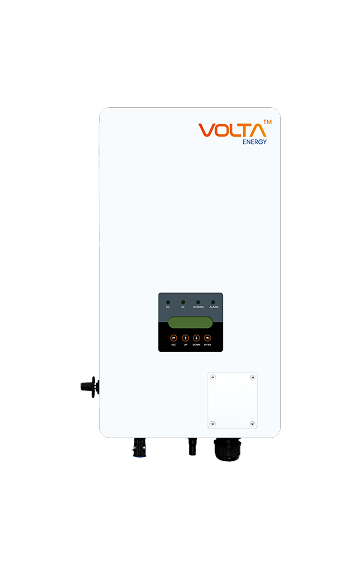
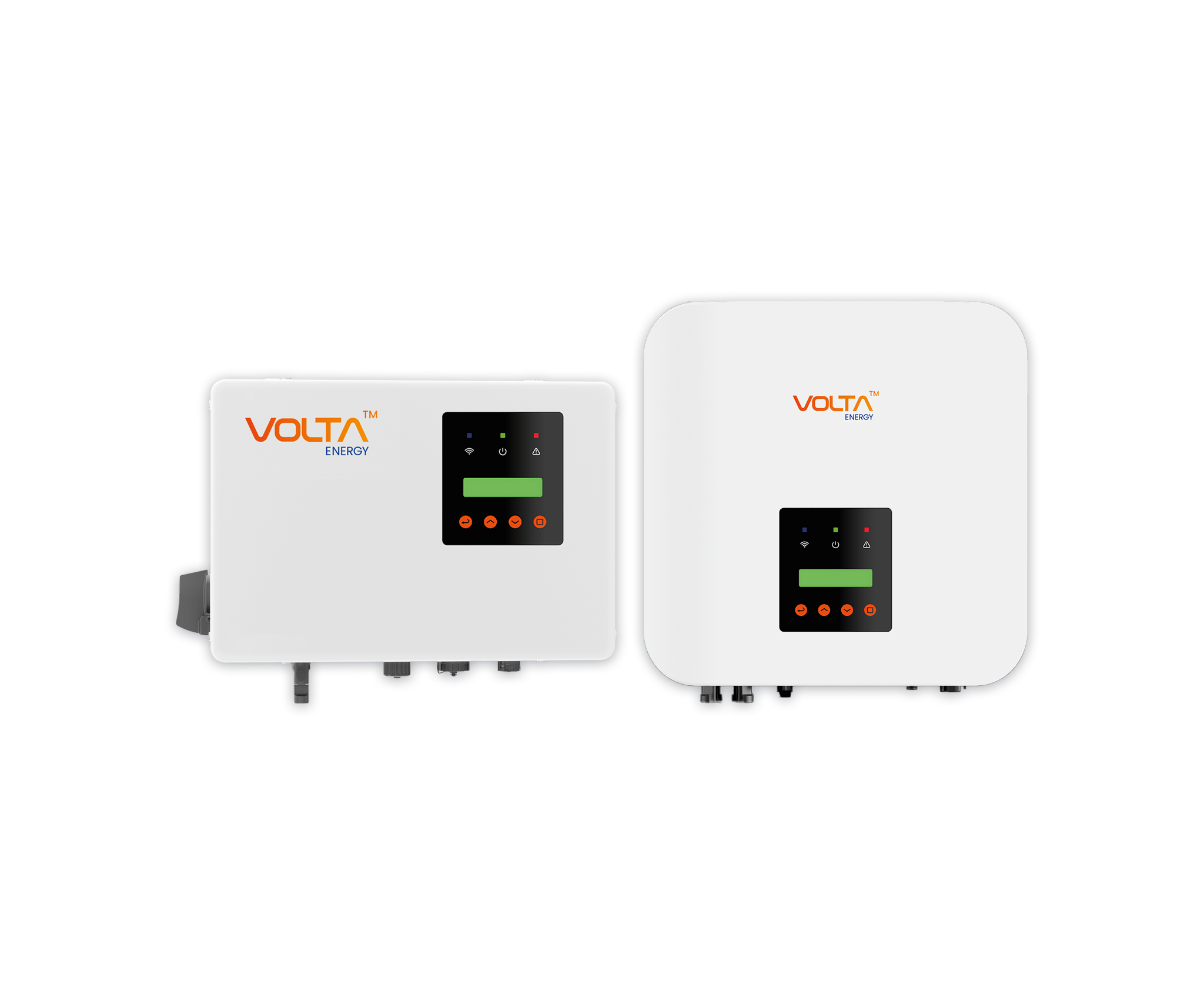
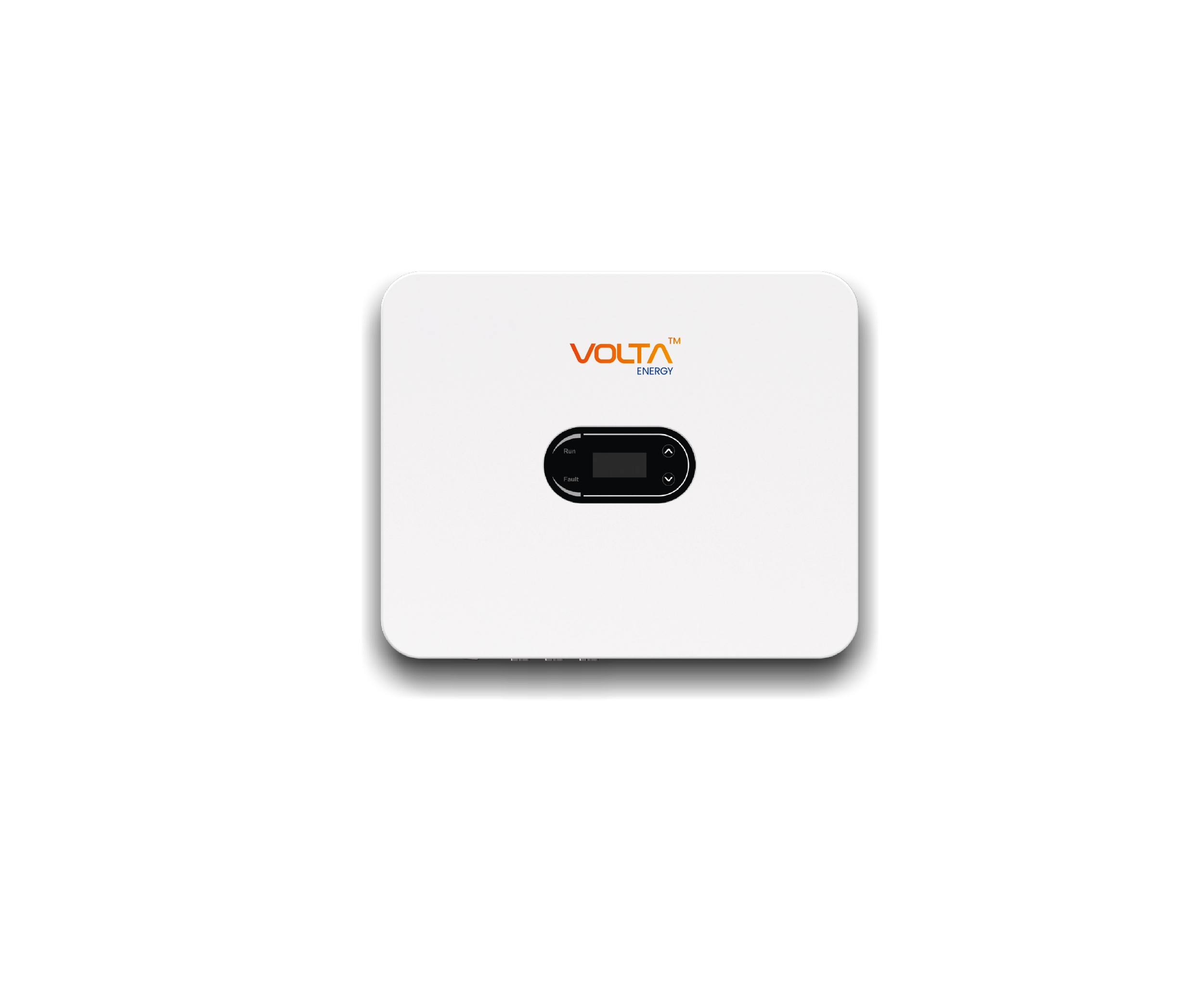
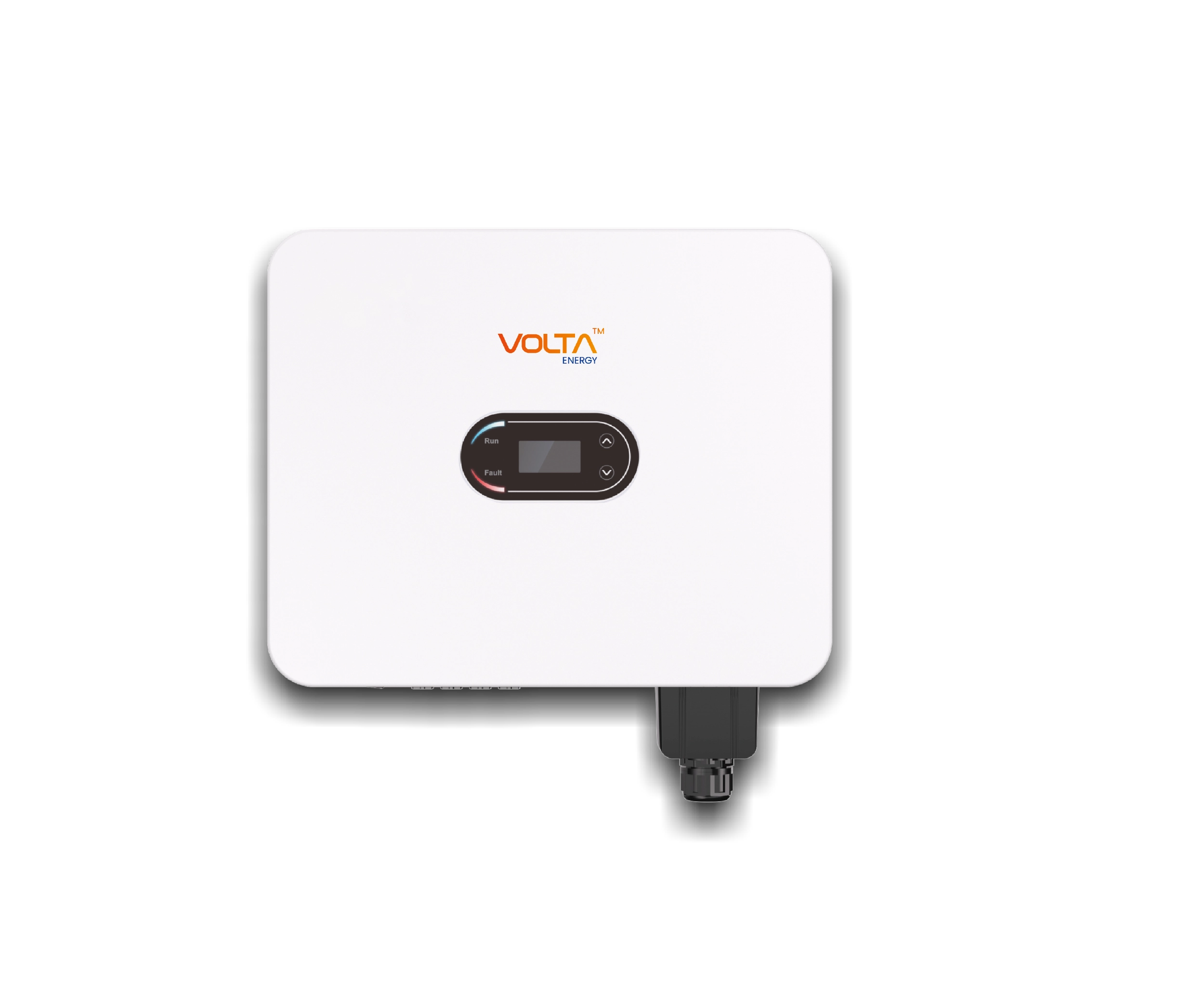
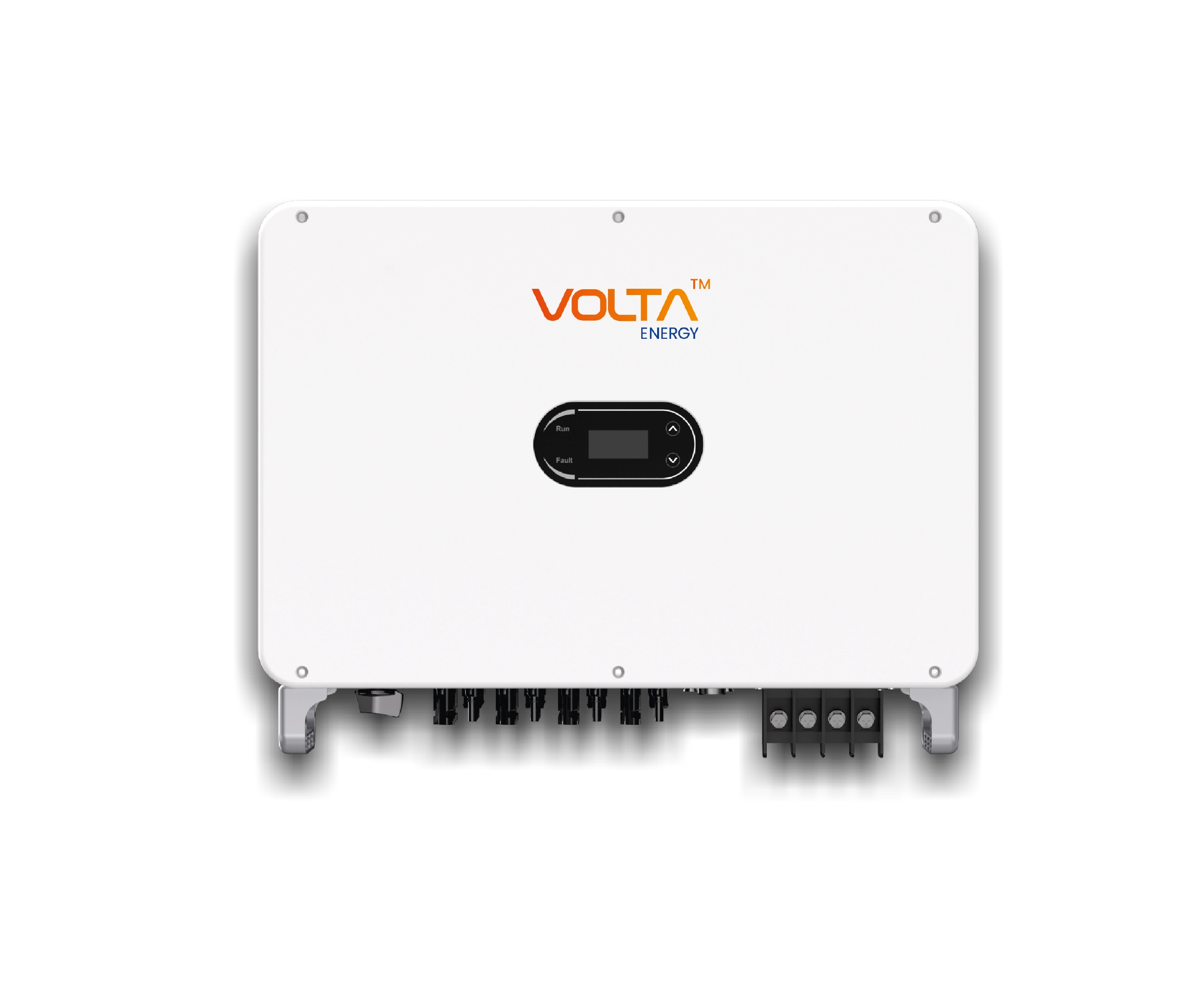
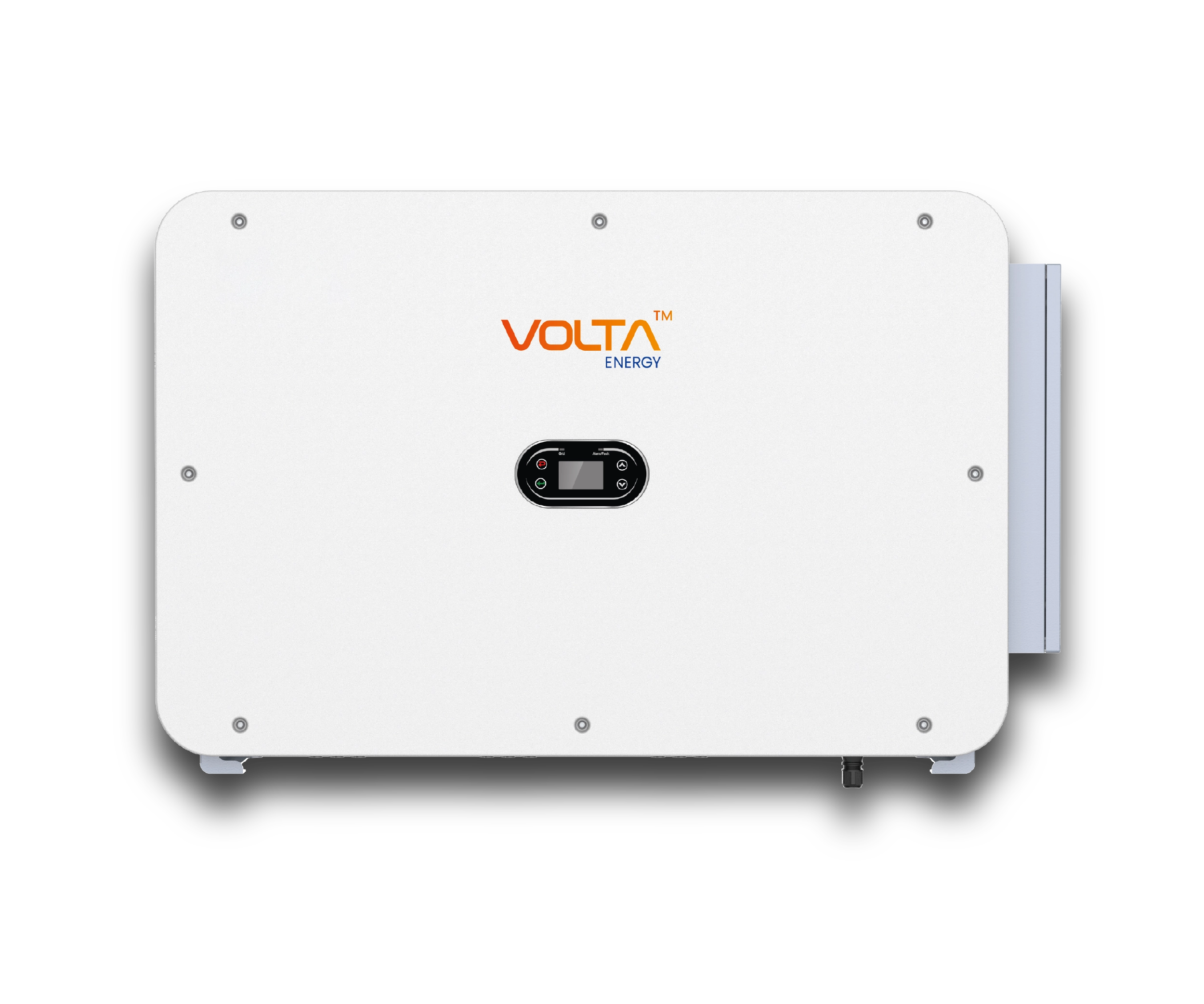
At Volta Green Energy Pvt. Ltd., we offer on-grid solar inverter solutions for commercial and industrial applications, with a product range from 2 kW to 150 kW. Depending on the model, features may include MPPT technology, efficient power conversion, monitoring capabilities, and grid synchronization.
Whether you operate a manufacturing unit in Agra’s industrial belt, run a hotel near the Taj Mahal, or manage a warehouse or commercial building, choosing the right solar inverter can be an important step towards better energy management.
What Is an On-Grid Solar Inverter in Agra?
An on-grid solar inverter, also called a grid-tied solar inverter, is a key component of a solar power system. It converts the direct current (DC) electricity generated by solar panels into alternating current (AC) electricity that can be used by electrical equipment. This allows businesses to use solar-generated electricity for machinery, lighting, computers, air-conditioning systems, pumps, and other compatible electrical loads.
An on-grid inverter works alongside the utility electricity grid. During sunny hours, the solar system supplies available power to the building. If the business needs more electricity than the solar panels are generating, the remaining demand is met by the grid.
When the solar system generates more electricity than the building consumes, surplus power may be exported to the grid if the installation has the required approvals and an eligible metering arrangement. For businesses in Agra, this can be a practical way to reduce grid electricity purchases without adding batteries solely for normal grid-connected operation.
One important point to remember: a conventional on-grid solar inverter generally does not provide backup during a power cut. It normally shuts down when the grid supply fails. If your business needs electricity during outages, you should consider a suitably designed hybrid solar system, battery backup, UPS, or generator arrangement.
How Do On-Grid Solar Inverters Work?
The working principle is simple. Solar panels generate electricity, and the inverter makes that electricity usable within the building’s electrical system. Here is how the process works:
Solar generation: Solar panels capture sunlight and generate DC electricity.
Power conversion: The inverter converts DC electricity into AC electricity.
Grid synchronization: The inverter synchronizes its output with the utility grid.
Business consumption: Solar electricity supplies the building’s electrical loads whenever it is available.
Grid support: When solar generation is insufficient, the business draws the additional electricity it needs from the grid.
Surplus electricity: Excess solar generation may be exported to the grid under an approved metering arrangement.
For example, imagine a footwear manufacturing unit in Agra that requires 80 kW of electricity during working hours. If its solar system supplies 50 kW at that moment, the remaining 30 kW can be drawn from the grid, assuming the system is operating normally and ignoring electrical losses for simplicity. This arrangement allows the business to use solar power alongside its existing electrical infrastructure without having to rely entirely on solar generation.
Benefits of On-Grid Solar Inverters for Businesses in Agra
1. Reduce Monthly Electricity Bills
For many businesses, electricity is a recurring operating expense that directly affects profitability. Manufacturing units, hotels, workshops, hospitals, and commercial buildings often consume significant amounts of electricity during the day.
An on-grid solar system allows businesses to use the electricity generated by their solar panels before purchasing the equivalent amount from the grid. For example, a footwear factory operating cutting machines, stitching equipment, compressors, lighting, and office systems during daylight hours may be able to use a substantial portion of its solar generation directly.
The actual savings depend on installed solar capacity, daytime consumption, electricity tariffs, system performance, and the value of any surplus electricity exported to the grid. The best starting point is to review your electricity bills and understand how much power your business consumes during solar-generating hours.
2. Improve the Potential Return on Investment
A commercial solar installation requires an initial investment, but the electricity it generates can help offset grid electricity purchases over many years. On-grid solar systems generally do not need batteries for normal operation when the utility grid is available. This can make them less expensive to install than otherwise comparable systems that include battery storage.
Businesses can therefore focus their initial investment on solar panels, inverters, mounting structures, electrical protection, cabling, and installation. However, the payback period is not the same for every business. It depends on project cost, solar generation, daytime self-consumption, electricity tariffs, maintenance expenses, financing costs, and applicable export rules.
Before investing, request a feasibility assessment based on your actual electricity consumption and site conditions rather than relying on a generic payback estimate.
3. Make Better Use of Factory and Commercial Rooftops
Agra has a diverse mix of industrial units, manufacturing facilities, hotels, warehouses, educational institutions, and commercial buildings. Where the roof is suitable, rooftop solar can make productive use of otherwise unused space. Businesses may explore solar installations in and around locations such as:
Nunhai Industrial Area
Foundry Nagar Industrial Area
Sikandra Industrial Area
Agra’s footwear and leather manufacturing clusters
Suitable industrial and commercial premises along major business corridors
Hotels, warehouses, and commercial buildings across the city
These are potential areas for business prospecting, not a guarantee that every property is suitable for solar installation.
As an initial planning estimate, a rooftop solar project may require approximately 10–12 square metres per kW of installed capacity. The actual requirement varies with panel wattage, layout, shading, mounting arrangement, and access needed for maintenance.
For example, a business considering a 100 kWp rooftop solar system could initially assess around 1,000–1,200 square metres of roof area. A professional survey is necessary to confirm the feasible capacity, roof condition, and structural strength.
4. Benefit from Efficient Power Conversion
Solar panels generate DC electricity, while most commercial electrical systems use AC electricity. The inverter performs this conversion, so its efficiency is an important specification.
Depending on the model, modern on-grid solar inverters commonly advertise maximum conversion efficiencies in the range of approximately 97%–99%. Actual efficiency varies with the equipment and operating conditions. Consider this illustrative comparison:
| Inverter conversion efficiency | AC energy from 100 kWh DC input | Conversion losses |
|---|
| 97% | 97 kWh | 3 kWh |
| 98% | 98 kWh | 2 kWh |
| 98.5% | 98.5 kWh | 1.5 kWh |
| 99% | 99 kWh | 1 kWh |
These figures illustrate conversion losses only. They are not estimates of total solar-system losses. When comparing inverters, check the manufacturer’s published maximum and weighted efficiency figures. It is also important to consider MPPT performance, operating temperature, input-voltage range, and the overall system design.
5. Manage Surplus Solar Electricity
A solar system may sometimes generate more electricity than a business is using. Depending on the approved grid connection and metering arrangement, surplus electricity may be exported to the utility grid. The applicable rules may depend on the consumer category, installed capacity, connection type, and prevailing Uttar Pradesh electricity regulations.
Businesses in Agra should verify the current requirements with the relevant distribution company before finalizing their system design.
Important: Do not assume that every commercial or industrial connection is eligible for net metering or that exported electricity will be compensated at the same rate as electricity purchased from the grid. The financial benefit depends on the approved arrangement.
A system designed around actual daytime consumption can often make better use of solar electricity on-site.
6. Support More Sustainable Business Operations
Solar power offers businesses an opportunity to reduce their reliance on conventional grid electricity while supporting environmental goals.
For example, a commercial facility that uses 100,000 kWh of solar electricity directly each year can estimate its potential avoided emissions using the relevant grid-emissions factor.
If an illustrative factor of 0.7 kg CO₂ per kWh is used, the calculation would be:
100,000 kWh × 0.7 kg CO₂/kWh = 70,000 kg CO₂, or 70 tonnes per year.
This is an example calculation, not an official emissions claim. Businesses preparing sustainability reports should use the applicable current emissions factor and reporting methodology.
For manufacturers, hotels, and suppliers working with larger corporate customers, adopting renewable energy may also support broader sustainability objectives.
7. Monitor Solar Generation and System Performance
Modern solar inverters may offer monitoring through digital displays, mobile applications, web portals, or other communication interfaces, depending on the model. Monitoring can help business owners and facility managers review:
Daily, monthly, and lifetime solar generation
Current inverter power output
DC input voltage and current
AC output voltage and frequency
Inverter operating status and fault codes
Historical performance and generation trends
For a business managing several production areas or buildings, this information can make it easier to identify unusual performance and arrange maintenance when necessary. Monitoring does not eliminate the need for periodic inspection, but it can help businesses stay informed about their solar system’s operation.
8. Plan for Future Business Expansion
A business’s electricity needs can change as production increases, new machinery is installed, or additional buildings are developed. A properly planned solar installation may allow additional capacity to be added later, subject to roof availability, grid-connection limits, electrical infrastructure, and regulatory approvals.
For example, a manufacturing business might begin with a rooftop system for its existing production line and later evaluate an expansion when a new line or warehouse increases daytime electricity demand. Discussing future requirements during the initial design stage can help avoid unnecessary redesign and infrastructure costs.
Ideal Applications for Commercial On-Grid Inverters in Agra
Agra’s manufacturing, tourism, hospitality, and commercial sectors offer several potential applications for on-grid solar systems.
| Business or facility | Potential solar application |
|---|
| Footwear manufacturing units | Support compatible machinery, lighting, and ventilation loads |
| Leather-processing businesses | Offset part of the electricity used during daytime operations |
| Foundries and engineering units | Supply suitable daytime electrical loads, subject to load characteristics |
| Industrial workshops | Support lighting, office equipment, and compatible machinery |
| Warehouses and logistics centres | Make use of suitable rooftop space for solar generation |
| Hotels and hospitality businesses | Offset daytime electricity consumption in common areas and building systems |
| Hospitals and healthcare facilities | Supply part of the daytime demand, with separate backup for critical equipment |
| Shopping complexes and retail properties | Help reduce electricity purchases for suitable daytime loads |
| Schools and colleges | Supply solar electricity for classrooms and administrative facilities |
| Offices and commercial buildings | Support lighting, computers, air-conditioning, and other compatible loads |
| Food-processing units | Offset electricity consumption associated with daytime operations |
The right inverter capacity should be determined after reviewing the site’s electricity consumption, roof conditions, electrical infrastructure, and utility connection requirements.
Businesses operating heavy motors, foundry equipment, or machinery with high starting currents should have their electrical loads assessed carefully before the inverter and complete solar system are selected.
Features to Look for in Volta Green Energy On-Grid Inverters
When choosing an inverter, it is worth looking beyond the power rating printed on the product. The inverter should match the solar array, operating environment, electrical connection, and monitoring requirements of the business.
Advanced MPPT Technology
Maximum Power Point Tracking (MPPT) helps the inverter operate the solar array near its optimum power point as sunlight and panel temperatures change. For larger commercial rooftops, the number of independent MPPT trackers and the inverter’s voltage and current limits can influence how solar panels should be arranged. The selected model’s MPPT specifications should be checked against the proposed panel configuration.
High Conversion Efficiency
Efficient DC-to-AC conversion helps reduce losses within the inverter. When evaluating models, compare the published efficiency figures and consider the operating conditions expected at your site. A suitable design should also account for panel performance, temperature, cabling, shading, and other system-level losses.
Smart Monitoring Options
Depending on the inverter model, monitoring features may provide information about solar generation, operating status, alarms, and historical performance. Available interfaces can vary, so businesses should confirm whether the selected model supports the monitoring method they require.
Electrical Protection
Commercial on-grid inverters may include protection functions such as anti-islanding, overvoltage protection, overcurrent protection, and grid-condition monitoring. Exact features vary by model. The complete installation must also include appropriate external protective devices, earthing, surge protection, isolation, and other safety measures required by the design and applicable regulations.
Design for Commercial Operating Conditions
Commercial and industrial sites may experience high ambient temperatures, dust, long operating hours, and demanding installation conditions. Before selecting an inverter for an Agra facility, review the model’s operating-temperature range, enclosure rating, cooling arrangement, installation clearances, and maintenance requirements.
Grid Synchronization
An on-grid inverter synchronizes its AC output with the utility grid. This allows solar electricity to be integrated with the building’s electrical system when the grid conditions are within the inverter’s permitted operating limits. Correct synchronization and grid-protection functions are essential for safe operation and compliance.
Flexible Capacity Options
Volta Green Energy offers an on-grid solar inverter product range from 2 kW to 150 kW. Depending on the project’s requirements, suitable capacity options can be evaluated for different commercial and industrial installations. The final choice should be based on solar-panel configuration, DC input limits, AC output requirements, grid approvals, and future expansion plans.
Why Businesses in Agra Can Consider Volta Green Energy
Choosing a solar inverter supplier is about more than comparing prices. Businesses need accurate technical information, suitable product options, clear warranty terms, and a system design that fits their actual requirements.
At Volta Green Energy Pvt. Ltd., our solar inverter range covers on-grid applications from 2 kW to 150 kW, allowing businesses to evaluate options for different project sizes. When considering a Volta inverter for a commercial or industrial installation, businesses can review:
Product options for different solar system capacities
Model-specific MPPT and power-conversion specifications
Available monitoring features
Electrical protection and grid-compliance documentation
Technical suitability for the proposed installation
Warranty terms and service arrangements
Compatibility with solar panels, meters, protective devices, and export-limitation equipment where required
For projects in Agra, the installation plan should also consider local site conditions, the applicable DISCOM approval process, and access to qualified installation and service professionals. We recommend confirming the selected model’s current specifications, availability, warranty coverage, and applicable approvals before finalizing a purchase.
Example: A 100 kWp Rooftop Solar Project for a Business in Agra
Consider a hypothetical manufacturing facility in Agra that wants to install a 100 kWp rooftop solar system to reduce its daytime electricity purchases. The following example shows how the potential value of solar generation can be estimated.
| Parameter | Illustrative value |
|---|
| Installed solar capacity | 100 kWp |
| Assumed annual generation per kWp | 1,500 kWh |
| Estimated annual solar generation | 150,000 kWh |
| Share consumed directly on-site | 80% |
| Solar electricity used directly | 120,000 kWh |
| Illustrative avoided grid energy charge | ₹8/kWh |
| Estimated annual avoided energy charges | ₹9,60,000 |
Under these assumptions, the business uses 120,000 kWh of solar electricity directly each year.
At an assumed avoided energy charge of ₹8 per kWh, the estimated value of this electricity is ₹9.6 lakh per year.
This is an illustrative calculation, not a guaranteed saving or a project quotation. Actual results depend on solar irradiation, panel orientation, shading, weather, system losses, daytime consumption, electricity tariffs, export compensation, fixed charges, operating expenses, and project cost.
A detailed feasibility study using actual electricity bills and site conditions should be completed before making an investment decision.
How to Choose the Right On-Grid Inverter for Your Business
The right inverter is not necessarily the one with the highest advertised capacity or the lowest price. It is the one that suits the proposed solar system and the electrical requirements of the building. Before making a purchase, consider these points:
Solar-array capacity: Confirm the permitted DC input power and appropriate DC-to-AC sizing.
MPPT voltage range: Ensure the solar strings operate within the inverter’s limits under expected temperature conditions.
Input-current limits: Check the current capacity of each MPPT and input.
AC output rating: Match the inverter to the electrical design and approved grid connection.
Operating environment: Assess temperature, dust, ventilation, enclosure requirements, and equipment placement.
Monitoring capabilities: Confirm that the available monitoring platform meets the facility’s requirements.
Protection and compliance: Verify applicable product requirements, grid-protection functions, and documentation.
Warranty and service: Review coverage, exclusions, replacement arrangements, and service availability.
System compatibility: Check compatibility with solar modules, cables, meters, protection devices, and export-limitation equipment.
Future expansion: Consider whether the roof, grid connection, and electrical infrastructure can accommodate additional capacity.
A professional site survey should also review roof strength, shading, cable routing, earthing, surge protection, and the requirements of the relevant distribution company.
Rooftop Solar Regulations and Approvals in Uttar Pradesh
Before installing a commercial or industrial on-grid solar system in Agra, businesses should confirm the latest requirements applicable to their consumer category and proposed system capacity. Depending on the project, these may include:
Approval from the relevant electricity distribution company
Permitted grid-connection capacity
Applicable metering and electricity-export arrangements
Grid synchronization and electrical protection requirements
Product compliance and technical documentation
Inspection, commissioning, and metering procedures
Eligibility conditions for any available incentive or subsidy
Businesses should consult the applicable Uttar Pradesh electricity regulations, the relevant distribution company, and current government scheme guidance before finalizing a project. Commercial subsidy eligibility must be checked separately. Incentives available for residential rooftop solar installations do not automatically apply to commercial or industrial customers.
Common Mistakes to Avoid When Buying an On-Grid Solar Inverter
Choosing Only by Price
Two inverters with similar power ratings may differ in efficiency, MPPT configuration, input-current limits, monitoring features, protection functions, warranty, and service support. Compare the complete specifications and long-term ownership considerations before making a decision.
Ignoring Daytime Electricity Consumption
A larger solar system does not automatically deliver better financial returns. If generation exceeds the building’s demand, the value of surplus electricity depends on the approved export arrangement. Review electricity bills and daytime consumption data before deciding the system capacity.
Assuming Solar Will Provide Backup During Power Cuts
A conventional on-grid inverter normally shuts down when the utility supply fails. If essential machinery, servers, medical equipment, or other critical loads must continue operating during an outage, a suitable backup system must be included in the design.
Overlooking Site Conditions
Dust, high temperatures, poor ventilation, shading, and unsuitable cable routing can affect performance and reliability. A proper site assessment and professional installation help address these issues.
Ignoring Warranty and Service Arrangements
A commercial solar installation is a long-term investment. Before purchasing an inverter, review warranty conditions, service arrangements, technical assistance, and replacement-part availability.
Make a Smarter Energy Choice for Your Agra Business
For businesses in Agra, on-grid solar inverters can be an important part of a practical strategy to manage electricity expenses and make better use of renewable energy. From footwear and leather manufacturing units to foundries, hotels, warehouses, hospitals, and commercial buildings, businesses with suitable rooftops and daytime electricity demand may benefit from a carefully planned solar installation.
The key is to start with your actual electricity consumption, select equipment that matches your electrical requirements, confirm the applicable grid-connection rules, and use realistic generation and savings estimates. With the right system design, appropriate equipment, and regular maintenance, rooftop solar can help businesses reduce some of their grid electricity purchases while supporting their long-term operating and sustainability goals.
Contact Volta Green Energy
Planning an on-grid solar installation for your business in Agra?
Connect with Volta Green Energy to discuss your commercial or industrial solar requirements, evaluate suitable inverter capacities, and identify a solution aligned with your project’s technical and operational needs.
Volta Green Energy Pvt. Ltd.
Take the next step towards smarter energy management with a solar inverter solution selected around your business needs.