


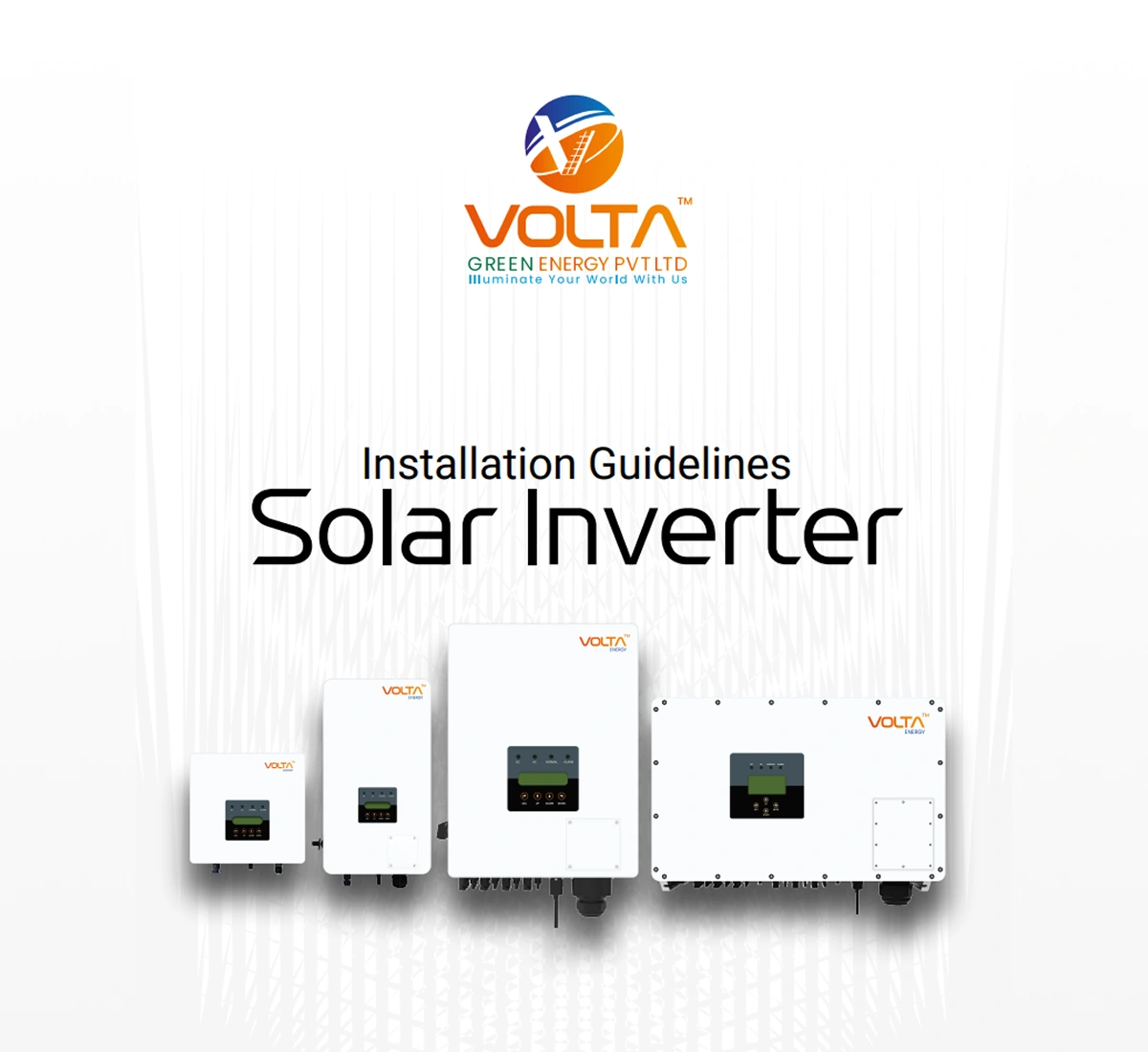
Inverter Installation Guidelines by VoltaGreen
Installing an inverter is not just about connecting wires and turning the system on. A properly installed inverter ensures better performance, longer battery life, improved energy efficiency, and most importantly, safety for your home or workplace. Whether you are installing a home inverter for power backup or a commercial inverter system, following the right installation guidelines can prevent future electrical issues and help your system work smoothly for years.
Choose the Right Location
The location of the inverter plays a major role in its performance and durability. Always install the inverter in a cool, dry, and well-ventilated area. Inverters generate heat while operating, and poor ventilation can lead to overheating, reduced efficiency, and even damage to internal components.
Avoid placing the inverter near direct sunlight, water sources, kitchens, or damp areas. Moisture and excessive heat can affect the inverter’s circuitry and battery performance. A clean and dust-free environment is also important because accumulated dust can block ventilation and increase maintenance issues.
For homes, it is best to place the inverter in a utility room, balcony enclosure, or a dedicated corner with enough airflow. Commercial setups may require a separate electrical room with proper ventilation systems.
Ensure Proper Ventilation
Good ventilation is essential for inverter systems, especially those connected with batteries. Batteries can release gases during charging, and poor airflow may increase the risk of overheating or gas accumulation.
Leave enough space around the inverter and batteries for air circulation. Avoid placing objects directly on top of the inverter. If you are using multiple batteries, maintain proper spacing between them to reduce heat buildup.
Ventilation not only improves safety but also helps maintain consistent performance during long power outages or heavy usage.
Use High-Quality Wiring and Components
The quality of electrical wiring directly impacts the efficiency and safety of the inverter system. Always use high-quality cables with the correct thickness and load capacity. Undersized or poor-quality wires can overheat, cause voltage drops, or even lead to short circuits.
Use branded connectors, fuses, and switches that meet safety standards. Loose or improper wiring may create sparks, system failures, or damage to appliances connected to the inverter.
It is always recommended to hire a qualified electrician for installation because professional wiring ensures proper load distribution and minimizes electrical risks.
Select the Right Battery Compatibility
Not all batteries work efficiently with every inverter. Before installation, confirm that the inverter supports the battery type and capacity you plan to use. Common battery options include tubular batteries, flat plate batteries, lithium-ion batteries, and gel batteries.
Using incompatible batteries can reduce backup time, shorten battery lifespan, and affect charging performance. Always follow the manufacturer’s recommendations regarding battery voltage, charging capacity, and maintenance requirements.
For larger homes or offices, calculating the required backup load beforehand helps in selecting the correct battery and inverter combination.
Install Proper Earthing and Protection
Safety should always be a top priority during inverter installation. Proper earthing protects both the inverter and connected appliances from electrical surges, short circuits, and leakage currents.
A dedicated earthing connection helps stabilize voltage and reduces the risk of electric shocks. Surge protectors and circuit breakers should also be installed to safeguard the system during sudden voltage fluctuations or lightning strikes.
Without proper protection systems, even a small electrical fault can damage expensive equipment connected to the inverter.
Keep the Load Within Capacity
One of the most common mistakes during inverter usage is overloading the system. Every inverter has a maximum load capacity, and exceeding it can reduce efficiency, trigger shutdowns, or permanently damage the inverter.
Before installation, calculate the total power requirement of the appliances you plan to run during power cuts. Essential appliances like lights, fans, Wi-Fi routers, televisions, and refrigerators should be prioritized.
Heavy appliances such as air conditioners, heaters, microwaves, and washing machines require higher power capacity and may need a separate inverter setup.
Follow Manufacturer Guidelines
Every inverter brand comes with specific installation instructions and operational guidelines. Following the manufacturer’s recommendations ensures proper setup, warranty protection, and safe operation.
The user manual usually includes information about:
- Wiring diagrams
- Battery compatibility
- Load limits
- Charging instructions
- Safety precautions
- Maintenance schedules
Ignoring these guidelines can reduce system life and may void the product warranty.
Perform Regular Maintenance
An inverter system requires regular maintenance to maintain reliable performance. Dust cleaning, battery water level checks (for tubular batteries), terminal inspections, and cable tightening should be done periodically.
Check for unusual heating, noise, or warning indicators on the inverter display. Timely maintenance helps identify small issues before they turn into expensive repairs.
Battery health is especially important because batteries are the backbone of any inverter system. Proper charging and maintenance can significantly extend battery life.
Avoid DIY Installation for Complex Systems
While small inverter systems may seem easy to install, larger or high-capacity systems should always be handled by professionals. Incorrect installation can lead to electrical hazards, battery damage, fire risks, and inefficient performance.
Certified technicians understand load balancing, wiring safety, and system optimization. Professional installation also ensures compliance with local electrical standards and safety regulations.
A properly installed inverter provides uninterrupted power backup, protects essential appliances, and gives peace of mind during power outages. From selecting the right location and wiring to ensuring proper ventilation and load management, every installation step contributes to the overall efficiency and safety of the system.
Investing in professional installation and regular maintenance not only improves inverter performance but also increases the lifespan of both the inverter and batteries. By following these inverter installation guidelines, homeowners and businesses can enjoy reliable and safe backup power for the long term.