



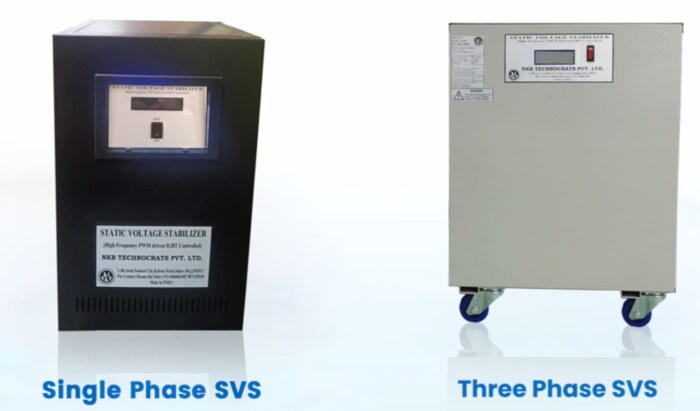
Electricity is the backbone of every modern home, commercial building, and industrial facility. However, unstable voltage can silently increase energy consumption, reduce equipment efficiency, and lead to costly breakdowns. Whether you operate a manufacturing plant, a hospital, a commercial office, or a data center, maintaining a stable voltage supply is essential for achieving maximum energy efficiency.
A static stabilizer is one of the most effective solutions for maintaining consistent voltage while optimizing power consumption. Unlike conventional servo stabilizers, static stabilizers respond almost instantly to voltage fluctuations, ensuring uninterrupted performance and better energy utilization.
In this article, we’ll explore how static stabilizers help reduce energy consumption, improve operational efficiency, and deliver long-term cost savings.
What is a Static Stabilizer?
A static stabilizer is an advanced electronic voltage regulation system designed to maintain a constant output voltage regardless of fluctuations in the incoming power supply. It uses solid-state components such as IGBTs, SCRs, or thyristors instead of mechanical parts, enabling extremely fast voltage correction.
Because there are no moving components, static stabilizers offer higher reliability, lower maintenance requirements, and faster response times compared to traditional voltage stabilizers.
They are widely used in:
- Manufacturing industries
- Hospitals
- Data centers
- Commercial buildings
- Hotels
- Educational institutions
- IT parks
- Laboratories
- Automation systems
- Renewable energy plants
Why Voltage Stability Matters for Energy Consumption
Many businesses focus on reducing electricity bills by replacing old equipment or installing energy-efficient machines. However, they often overlook voltage quality.
When voltage continuously fluctuates:
- Motors consume higher current.
- Equipment generates more heat.
- Machines operate inefficiently.
- Electrical losses increase.
- Sensitive electronics malfunction.
- Equipment lifespan decreases.
Maintaining a stable voltage allows electrical equipment to perform at its designed efficiency, reducing unnecessary energy losses.
Major Benefits of Static Stabilizer for Energy Consumption
1. Reduces Overall Power Consumption
One of the biggest advantages of a static stabilizer is its ability to optimize the operating voltage.
When voltage remains within the recommended range:
- Motors draw only the required current.
- Electrical devices work efficiently.
- Power wastage is minimized.
- Energy losses are significantly reduced.
Over time, even small improvements in voltage regulation can result in noticeable reductions in electricity bills.
2. Improves Motor Efficiency
Industrial motors account for a significant share of electricity consumption in factories.
Voltage fluctuations cause:
- Higher current draw
- Excessive heating
- Reduced torque
- Lower operating efficiency
A static stabilizer ensures motors receive consistent voltage, allowing them to operate closer to their optimal efficiency levels.
Benefits include:
- Lower energy consumption
- Reduced operating temperature
- Better productivity
- Longer motor life
3. Minimizes Heat Generation
Electrical equipment converts excess energy into heat whenever voltage is unstable.
Excess heat leads to:
- Higher energy losses
- Increased cooling requirements
- Reduced equipment lifespan
- Frequent maintenance
By maintaining stable voltage, static stabilizers reduce unnecessary heat generation, helping equipment operate more efficiently.
4. Reduces Transformer Losses
Transformers experience additional losses when subjected to fluctuating voltages.
Static stabilizers help by:
- Maintaining balanced voltage
- Reducing copper losses
- Minimizing core losses
- Improving transformer efficiency
This contributes to overall energy savings, especially in industrial power distribution systems.
5. Prevents Overvoltage Energy Waste
Many electrical systems consume more power than necessary during periods of overvoltage.
For example:
- Lighting systems become brighter than required.
- Heating elements consume excess electricity.
- Motors operate inefficiently.
- Industrial equipment experiences unnecessary stress.
A static stabilizer limits output voltage to the desired level, preventing excess energy consumption.
6. Enhances Power Factor Performance
Stable voltage indirectly supports better power factor management.
Benefits include:
- Reduced reactive power losses
- Lower electricity penalties
- Improved electrical efficiency
- Better utilization of electrical infrastructure
While power factor correction equipment plays the primary role, voltage stabilization complements overall energy optimization.
7. Increases Equipment Lifespan
Frequent voltage fluctuations accelerate wear and tear on electrical equipment.
Sensitive components such as:
- Drives
- PLC systems
- CNC machines
- Medical equipment
- Servers
- Automation controls
perform more reliably when supplied with stable voltage.
Longer equipment life means lower replacement costs and fewer unexpected failures.
8. Reduces Downtime
Power disturbances can interrupt production, damage machinery, and delay operations.
Static stabilizers respond within milliseconds, minimizing disruptions caused by voltage fluctuations.
Benefits include:
- Continuous production
- Lower maintenance expenses
- Improved productivity
- Reduced financial losses
9. Supports Energy-Efficient Automation
Modern industries rely heavily on automated systems.
Automation equipment requires:
- Stable voltage
- Fast response
- High reliability
Static stabilizers ensure:
- PLCs function correctly
- Robotic systems operate smoothly
- Sensors remain accurate
- Production lines avoid interruptions
This improves overall plant efficiency while reducing unnecessary power consumption.
10. Low Internal Power Loss
Unlike older voltage regulation systems, static stabilizers are designed with highly efficient electronic components.
Their own energy consumption is relatively low, meaning more of the incoming power reaches connected equipment instead of being wasted within the stabilizer itself.
Industries That Benefit Most
Nearly every industry can improve energy efficiency with a static stabilizer.
Common applications include:
- Manufacturing plants
- Pharmaceutical companies
- Textile industries
- Food processing units
- Hospitals
- Data centers
- Hotels
- Shopping malls
- Commercial buildings
- Airports
- Educational institutions
- Research laboratories
- Telecom infrastructure
- Solar power plants
- Battery Energy Storage Systems (BESS)
Static Stabilizer vs Conventional Servo Stabilizer
| Feature | Static Stabilizer | Servo Stabilizer |
|---|---|---|
| Response Time | Milliseconds | Seconds |
| Voltage Correction | Instant | Mechanical |
| Maintenance | Very Low | Moderate |
| Moving Parts | No | Yes |
| Efficiency | Higher | Good |
| Reliability | Excellent | Good |
| Noise | Silent | Slight Mechanical Noise |
| Energy Optimization | Better | Moderate |
Additional Operational Benefits
Besides reducing energy consumption, static stabilizers provide several operational advantages:
- Instant voltage correction
- High efficiency
- Improved productivity
- Reduced maintenance costs
- Better power quality
- Protection against voltage spikes
- Lower downtime
- Enhanced system reliability
- Silent operation
- Long service life
Tips to Maximize Energy Savings
To get the best results from a static stabilizer:
- Choose the correct kVA rating based on your load.
- Install the stabilizer by qualified professionals.
- Conduct periodic preventive maintenance.
- Monitor input and output voltage regularly.
- Avoid overloading the system.
- Combine the stabilizer with power factor correction where appropriate.
- Use energy-efficient electrical equipment alongside voltage regulation.
Is a Static Stabilizer Worth the Investment?
Although the initial investment in a static stabilizer may be higher than that of a conventional stabilizer, the long-term savings often outweigh the upfront cost.
Businesses typically benefit from:
- Lower electricity bills
- Reduced maintenance expenses
- Fewer equipment failures
- Increased productivity
- Longer equipment lifespan
- Improved return on investment (ROI)
For facilities where power quality directly impacts operations, a static stabilizer is a practical and cost-effective solution.
Conclusion
Energy efficiency is no longer just about reducing electricity bills, it’s about maximizing the performance and reliability of your entire electrical system. A static stabilizer helps achieve this by maintaining a consistent voltage supply, reducing unnecessary power losses, protecting valuable equipment, and improving overall operational efficiency.
Whether you run a factory, commercial complex, healthcare facility, or data center, investing in a high-quality static stabilizer can lead to significant long-term savings and smoother day-to-day operations. By ensuring every connected machine receives the right voltage at the right time, you not only conserve energy but also create a more dependable and sustainable electrical infrastructure.
Frequently Asked Questions (FAQs)
1. Does a static stabilizer reduce electricity bills?
Yes. By maintaining a stable voltage and reducing energy losses caused by voltage fluctuations, a static stabilizer can improve the efficiency of electrical equipment, which may lead to lower electricity consumption and reduced operating costs.
2. How is a static stabilizer different from a servo stabilizer?
A static stabilizer uses solid-state electronic components for near-instant voltage correction, while a servo stabilizer relies on mechanical parts that respond more slowly. Static stabilizers generally offer faster response, lower maintenance, and higher reliability.
3. Which industries benefit the most from static stabilizers?
Industries such as manufacturing, pharmaceuticals, healthcare, textiles, IT, data centers, hotels, commercial buildings, and renewable energy facilities benefit greatly from stable voltage and improved energy efficiency.
4. Can a static stabilizer protect sensitive equipment?
Yes. Static stabilizers provide consistent voltage to sensitive equipment like CNC machines, PLCs, servers, medical devices, and laboratory instruments, helping prevent damage caused by voltage fluctuations.
5. Is a static stabilizer suitable for commercial buildings?
Absolutely. Commercial buildings with elevators, HVAC systems, lighting, and IT infrastructure can improve equipment performance, reduce maintenance, and optimize energy consumption by installing a static stabilizer.